Flexible Leases in a Digital Age: New Ways to Utilise Commercial Spaces

Flexible Leases in a Digital Age: New Ways to Utilise Commercial Spaces
As the world of work continues to evolve and digital tools make it easier to operate from anywhere, the demand for commercial space is undergoing a profound transformation. Where once long-term leases and fixed office footprints were the norm, flexibility, shared use, and short-term arrangements are now taking centre stage. The digital age has opened the door to new ways of thinking about commercial property – and to a more dynamic use of space.
From Fixed Offices to Flexible Solutions
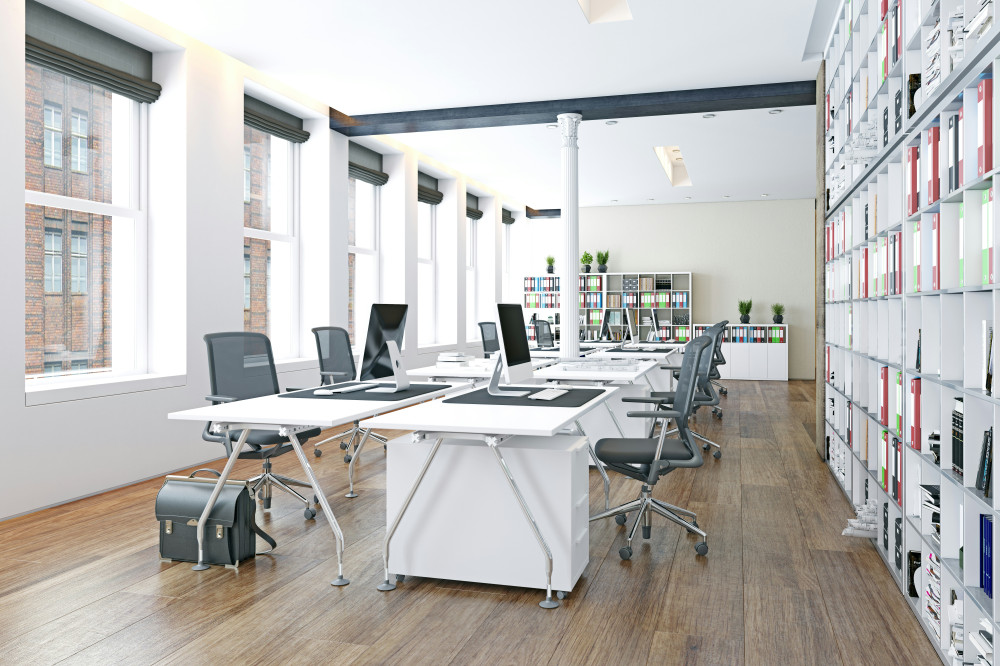
Traditional commercial leases have long been associated with multi-year commitments, large upfront costs, and static layouts. But today, many businesses – particularly start-ups, freelancers, and small teams – want the ability to scale up or down as needed. This shift has fuelled the rise of coworking spaces, serviced offices, and pop-up leases, where adaptability and community go hand in hand.
These models allow tenants to rent space on shorter terms, share facilities, and adjust quickly as their needs change. For landlords, it means fewer vacant periods and a more efficient use of their properties.
Digitalisation as a Driving Force
Digital technology has made it easier than ever to manage and utilise commercial spaces efficiently. Online platforms now allow users to book meeting rooms, desks, or entire offices with just a few clicks – sometimes by the hour or day. Smart access systems, sensors, and automated contracts further streamline the experience for both tenants and landlords.
For many UK businesses, this digital infrastructure supports hybrid working models that blend remote and in-person collaboration. The office is no longer a fixed base but a flexible hub for connection and creativity.
New Ways to Share Space
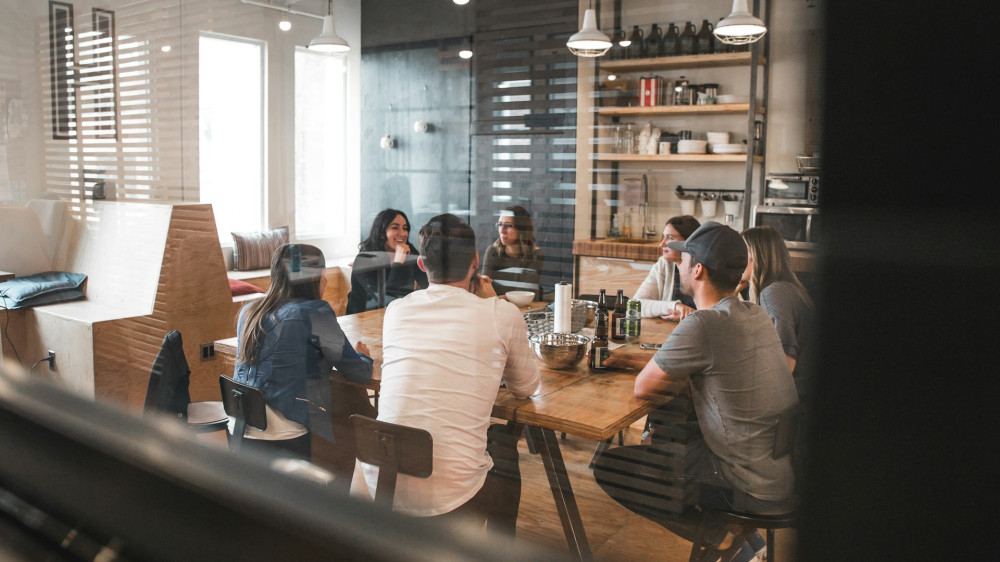
One of the most significant shifts in the commercial property market is the growing interest in shared space. Increasingly, companies are choosing to share offices, studios, or storage facilities to reduce costs and foster collaboration. From creative collectives in repurposed warehouses to tech start-ups sharing modern workspaces, shared environments are becoming a hallmark of the new economy.
This approach not only offers financial benefits but also encourages cross-industry networking and innovation. When diverse professionals work side by side, new partnerships and ideas often emerge.
Temporary and Pop-Up Leases
Another growing trend is the use of temporary leases, particularly in retail and events. Empty shops and units can be transformed into pop-up stores, galleries, or experiential venues for a limited time. This allows both landlords and tenants to test new concepts without long-term commitments.
Across UK high streets, pop-up spaces are helping to revitalise areas affected by retail decline. They bring energy and experimentation to local communities, supporting regeneration and small business growth.
Sustainability and Smarter Use of Space
Flexible leasing is not just about convenience and cost – it also plays a role in sustainability. By sharing and optimising existing spaces, the need for new construction and resource consumption is reduced. Digital tools can further help monitor and minimise energy use, contributing to greener operations.
Many UK property owners are now integrating sustainability into their flexible leasing models, combining adaptable layouts with eco-friendly materials, energy-efficient systems, and shared transport options.
Læs også:
The Future is Hybrid
The future of commercial property is likely to be hybrid – a blend of physical and digital, permanent and temporary. Businesses will continue to need places to meet, collaborate, and innovate, but they will increasingly seek spaces that can evolve with them.
For both tenants and landlords, success will depend on the ability to think flexibly and to view commercial space not as a static asset, but as a service – one that adapts to the changing rhythms of modern work.
Læs også: