Collaboration Across Teams: When Cleaning Staff and Colleagues Together Strengthen the Psychosocial Work Environment

Collaboration Across Teams: When Cleaning Staff and Colleagues Together Strengthen the Psychosocial Work Environment
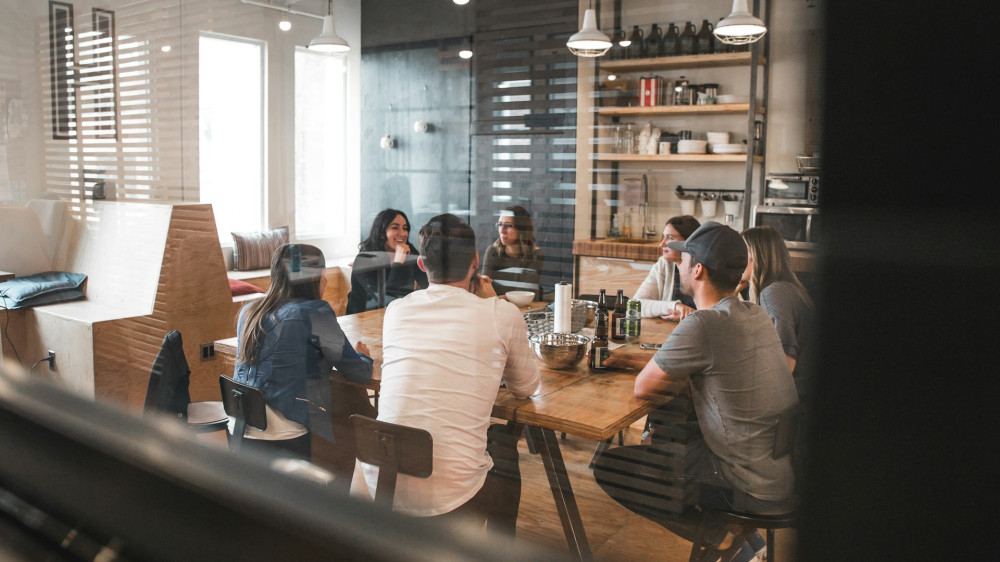
A healthy psychosocial work environment is not only about how well individual teams function – it is also about how people interact across roles and responsibilities. In many British workplaces, cleaning staff play a vital yet often overlooked role. They ensure that offices, hospitals, schools, and public buildings are clean, safe, and welcoming. But beyond that, they are part of the social fabric of the workplace. When collaboration between cleaning staff and other colleagues works well, it fosters mutual respect, better communication, and a stronger sense of community.
Cleaning as Part of the Workplace Community
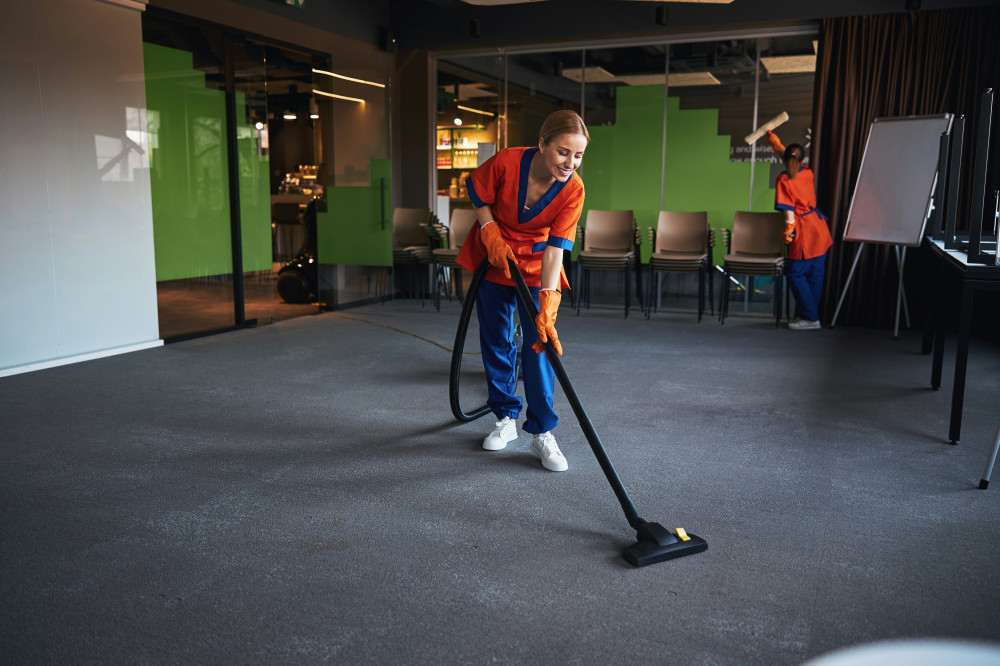
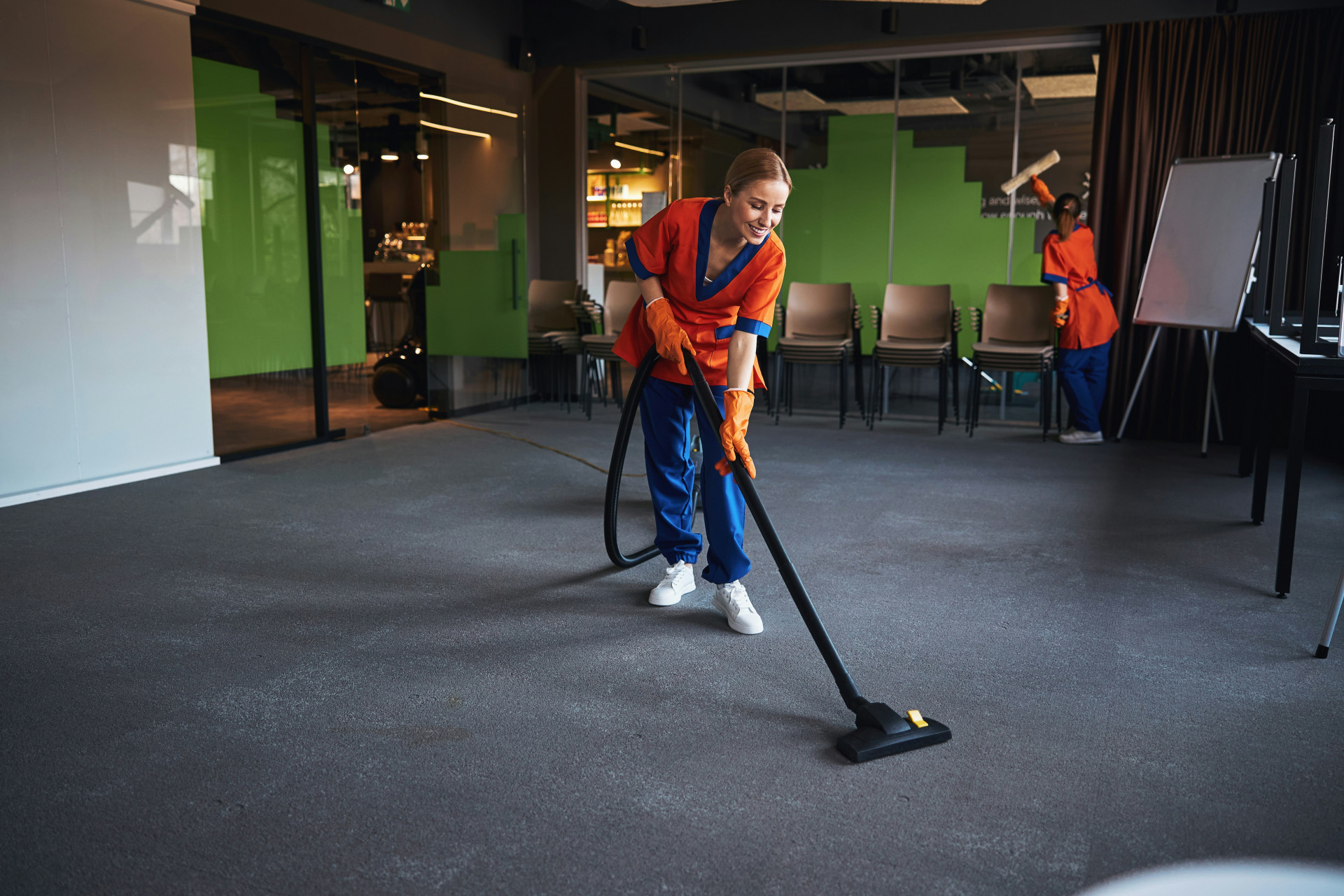
Cleaning staff are often the first to arrive and the last to leave. They move through every department and see the workplace from a unique perspective. Yet, many experience being invisible in the daily routine. A simple “good morning,” a smile, or a short chat can make a real difference – not only to the cleaner’s sense of belonging but also to the overall atmosphere.
When cleaning staff feel included and valued, their engagement and sense of responsibility grow. This can be seen in the quality of their work and in the general mood of the workplace. A culture where everyone feels seen and appreciated is one with less stress, greater job satisfaction, and stronger teamwork.
Everyday Communication and Respect
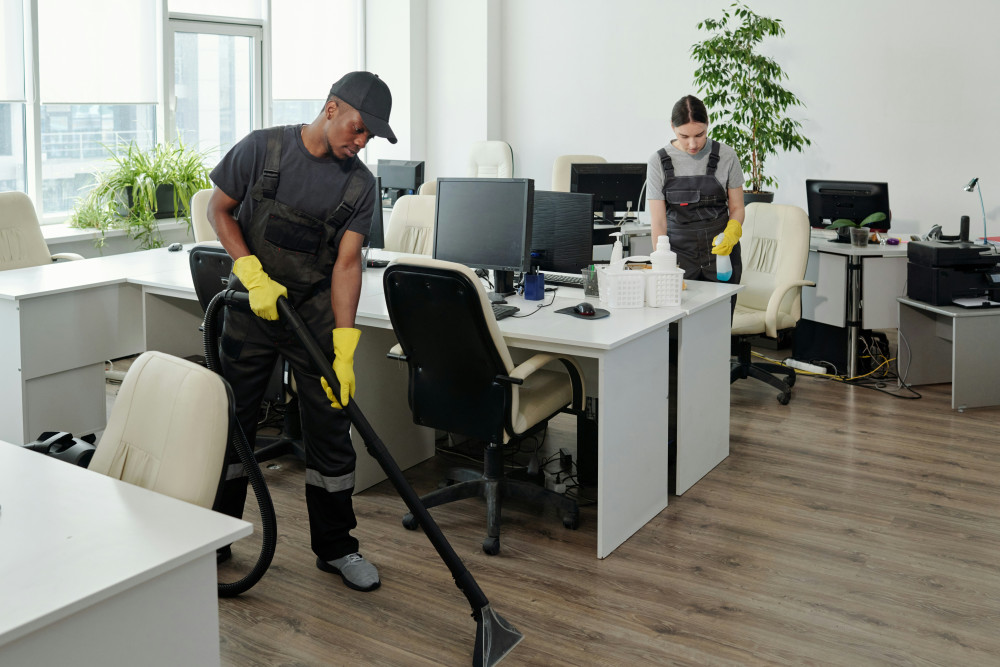
Good collaboration begins with respect. It means recognising that cleaning is an essential part of the organisation’s operation – just as important as any other function. When colleagues understand what the cleaning work involves and the challenges it can bring, cooperation becomes easier.
Small gestures can make a big difference: clearing desks before cleaning begins, communicating special needs, or simply saying thank you. It is not about grand gestures but about creating a culture of mutual understanding and kindness. Respectful communication helps everyone feel part of the same team.
Shared Responsibility for the Psychosocial Work Environment
The psychosocial work environment is a shared responsibility. If cleaning staff feel disrespected or treated as invisible, it affects not only them but the entire organisational culture. Conversely, an inclusive approach can create a positive cycle where everyone feels safe, motivated, and proud of their workplace.
Managers play a key role here. By including cleaning staff in team meetings, social events, or internal communication channels, they send a clear message: everyone contributes to the success of the organisation. This strengthens cohesion and mutual understanding across all levels.
Læs også:

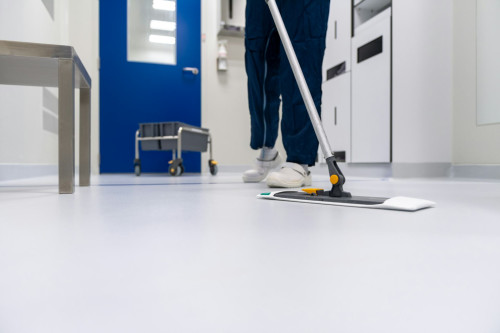

When Collaboration Becomes a Strength
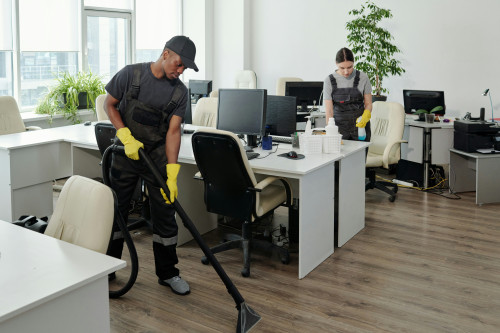
Many organisations in the UK have found that closer collaboration between cleaning staff and other employees leads to tangible improvements. Cleaners often have valuable insights into hygiene, safety, and workflow that can benefit the whole team. Likewise, colleagues can share information that helps cleaning staff plan their work more effectively.
When people see each other as partners rather than service providers, new opportunities for learning and development emerge. This might include better scheduling of cleaning tasks, joint sustainability initiatives, or shared efforts to improve wellbeing at work.
Building a Culture of Mutual Value
Ultimately, it all comes down to culture. A workplace where everyone – regardless of role – feels valued is one with stronger unity, lower absenteeism, and higher morale. The psychosocial work environment thrives when cleaning staff are recognised not just as those who “keep things tidy,” but as colleagues who contribute to the overall success and wellbeing of the organisation.
Creating such a culture requires awareness, dialogue, and small daily actions. But the reward is significant: a workplace where collaboration across teams is not just an aspiration, but a natural and appreciated part of everyday life.
Læs også: