Effective Cleaning Without Compromise: Optimise Work Routines with Care


Effective Cleaning Without Compromise: Optimise Work Routines with Care
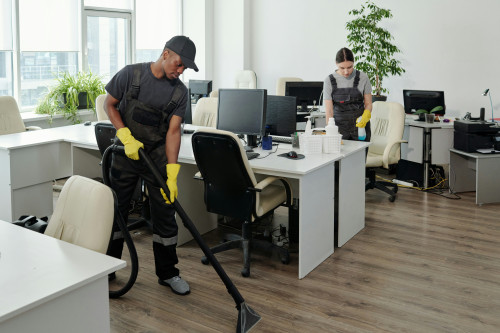
Cleaning is one of the most essential yet complex tasks in any organisation. Whether it’s offices, schools, healthcare facilities or industrial environments, effective cleaning is vital for wellbeing, safety and operational reliability. But how can you maintain high standards without compromising staff welfare or sustainability goals? The answer lies in optimising work routines – with care.
From Routine to Strategy
Cleaning is often seen as a routine task, but in reality, it’s a strategic function. A well-planned cleaning programme can reduce absenteeism, extend the lifespan of furnishings and equipment, and create a healthier indoor environment. To achieve this, cleaning must be viewed holistically – from planning and equipment to staff wellbeing.
Start by mapping out the specific needs of different areas. Not every space requires the same level of attention every day. By adjusting frequency and methods according to usage, you can save both time and resources without compromising quality.
Smart Work Routines and Technology
Technology is playing an increasingly important role in modern cleaning. Digital planning tools, sensors and robotic equipment can help optimise workflows and free up time for tasks that require human judgement.
- Digital cleaning schedules provide an overview of tasks, time allocation and quality control.
- Sensor-based cleaning allows for demand-driven cleaning – for example, when a room has been used rather than at fixed intervals.
- Ergonomic and lightweight equipment reduces strain on staff and increases efficiency.
Technology should be seen as a support, not a replacement for professional expertise. The best results come when people and technology work hand in hand.
Læs også:


Focus on People
Efficiency is not just about speed – it’s about wellbeing. Staff who feel valued and have the right tools deliver better results. Investing in training ensures cleaning teams understand methods, materials and safety procedures. This not only improves quality but also reduces the risk of errors and injuries.
A good working environment also means paying attention to ergonomics and task variation. Small adjustments – such as the correct height of cleaning trolleys or the use of microfibre cloths – can make a big difference in daily comfort and performance.
Sustainability in Practice
Sustainable cleaning is about more than eco-labelled products; it’s about the entire approach. Using dosing systems that ensure the correct amount of cleaning agent reduces waste and chemical use. Choosing methods that require less water and energy further supports environmental goals.
Consider logistics too: can travel between sites be reduced or coordinated more efficiently? Can waste be sorted and recycled more effectively? Incremental improvements can add up to significant environmental and financial benefits.
Quality Assurance and Continuous Improvement
An effective cleaning strategy requires ongoing evaluation. Use feedback from both staff and building users to refine routines. Regular quality checks and data from digital systems can highlight areas for improvement and help maintain consistent standards.
The key is to foster a culture where cleaning is recognised as a professional discipline – not just a service function. When quality, wellbeing and sustainability go hand in hand, cleaning becomes an integral part of an organisation’s overall value creation.
A Cleaner Future with Care
Effective cleaning without compromise is about balance: between speed and quality, between technology and human skill, between cost and environmental responsibility. By thinking holistically and acting with care, organisations can create cleaner spaces and better working days – for everyone.
Læs også: