Green Logistics: Integrating Environmental Considerations into Warehouse Process Planning

Green Logistics: Integrating Environmental Considerations into Warehouse Process Planning
Green logistics is about more than cutting CO₂ emissions from transport. It’s about embedding environmental responsibility throughout the entire supply chain – from procurement and production to warehousing and distribution. The warehouse plays a crucial role in this transition, as it’s where many daily decisions about energy use, materials, and processes are made. By integrating sustainable solutions into warehouse planning, businesses can reduce their environmental footprint while improving efficiency and profitability.
Why Green Logistics Starts in the Warehouse
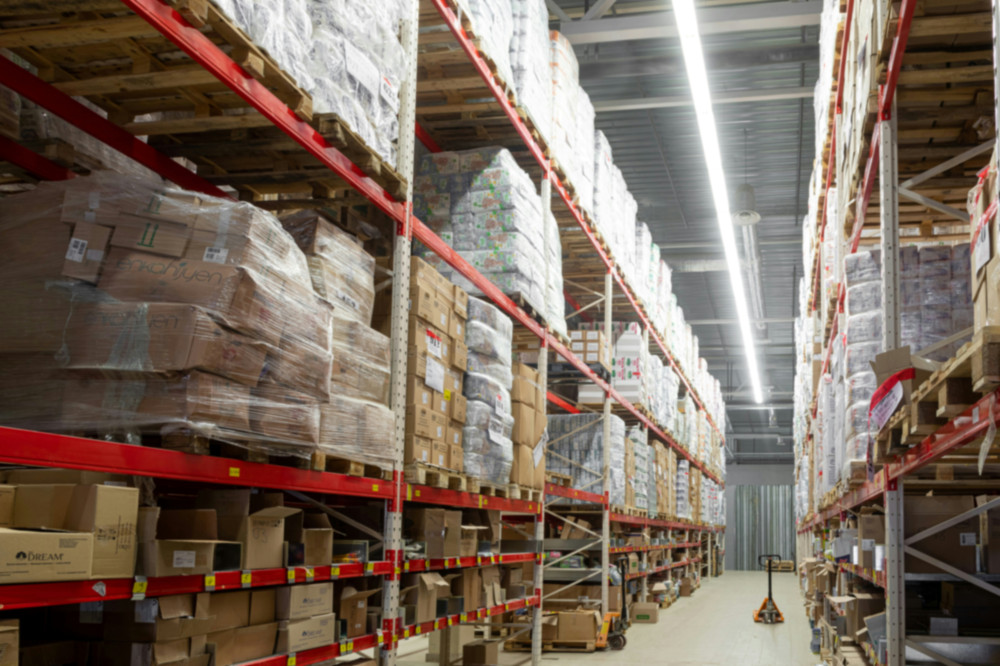
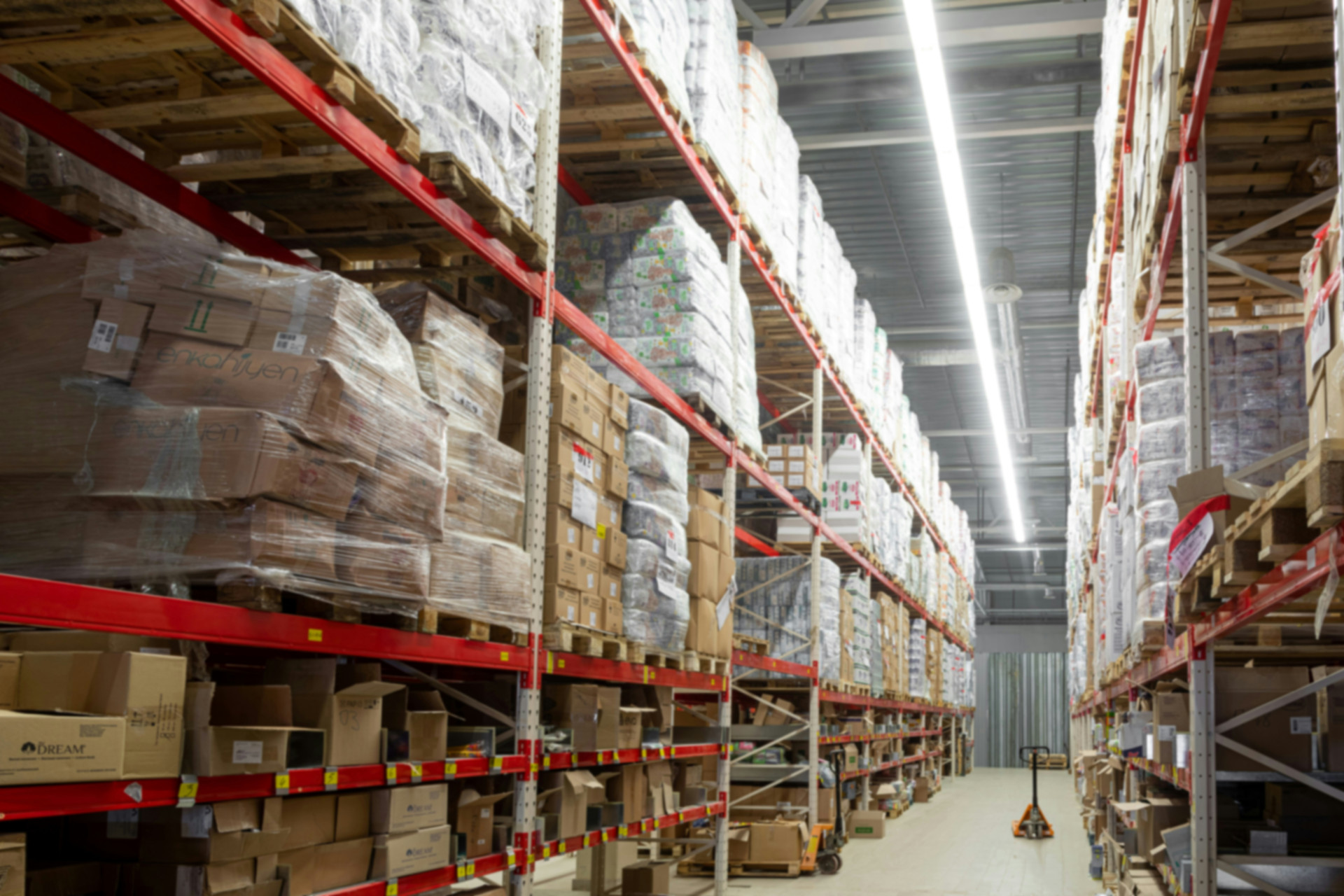
Warehouses are often overlooked when companies discuss sustainability. Yet they are major energy consumers, with lighting, heating, cooling, and internal transport all contributing significantly to emissions. They are also where packaging, waste management, and material flow can be optimised.
By assessing the warehouse’s overall environmental impact, businesses can identify key areas for improvement. This might include reducing waste, reusing packaging, or investing in energy-efficient systems. Even small operational changes can make a substantial difference over time.
Energy Efficiency and Sustainable Operations
Energy consumption is one of the most obvious starting points. Modern LED lighting with motion sensors can dramatically cut electricity use, while smart heating and ventilation systems maintain a stable indoor climate without unnecessary energy loss.
For larger facilities, installing solar panels or switching to renewable energy contracts can further reduce carbon emissions. Although these measures require upfront investment, they often pay off through lower running costs and improved sustainability performance.
Automation and digitalisation can also enhance efficiency. Robotics and warehouse management systems help minimise errors, shorten transport routes, and ensure that resources are used optimally. In the UK, where labour shortages and energy costs are pressing concerns, such technologies can deliver both environmental and economic benefits.
Læs også:


Packaging and Waste – Small Steps with Big Impact
Packaging is a major contributor to a warehouse’s environmental footprint. Choosing recyclable or biodegradable materials can significantly reduce waste. Standardising packaging sizes can also minimise the need for filler materials and improve space utilisation in both storage and transport.
An effective waste management system – with clear sorting for cardboard, plastic, and metal – makes recycling easier and helps demonstrate environmental responsibility to customers and partners. Many UK companies find that a strong sustainability profile not only reduces costs but also strengthens their brand and appeal to environmentally conscious consumers.
Transport and Internal Logistics
Although transport often takes place beyond the warehouse walls, it is closely linked to warehouse planning. By optimising delivery routes, consolidating shipments, and improving scheduling, businesses can reduce the number of journeys and lower CO₂ emissions.
Inside the warehouse, electric forklifts and automated conveyors can replace diesel-powered equipment, improving both air quality and energy efficiency. Digital tracking systems can further streamline operations, ensuring that goods are handled accurately and with minimal waste.
Targets, Data, and Continuous Improvement
Green logistics is not a one-off project but an ongoing process. To achieve lasting results, companies need to set measurable goals – such as reducing energy use, cutting waste, or increasing recycling rates.
Collecting and analysing data allows businesses to track progress and adjust strategies where they will have the greatest impact. Many UK firms now integrate environmental targets into their key performance indicators (KPIs), ensuring that sustainability becomes a core part of daily operations rather than a separate initiative.
A Greener Future Requires a Holistic Approach
Integrating environmental considerations into warehouse processes is not just about technology – it’s also about culture. Employees must be engaged, and leadership must set the example. When sustainability becomes part of a company’s DNA, it fosters a shared understanding that green logistics is not a burden but an investment in the future.
In short, green logistics is not only about doing the right thing for the planet – it’s also about building more efficient, resilient, and competitive businesses for the long term.
Læs også: