Make the Most of Your Height Safely: Efficient Use of Storage Space Without Compromise

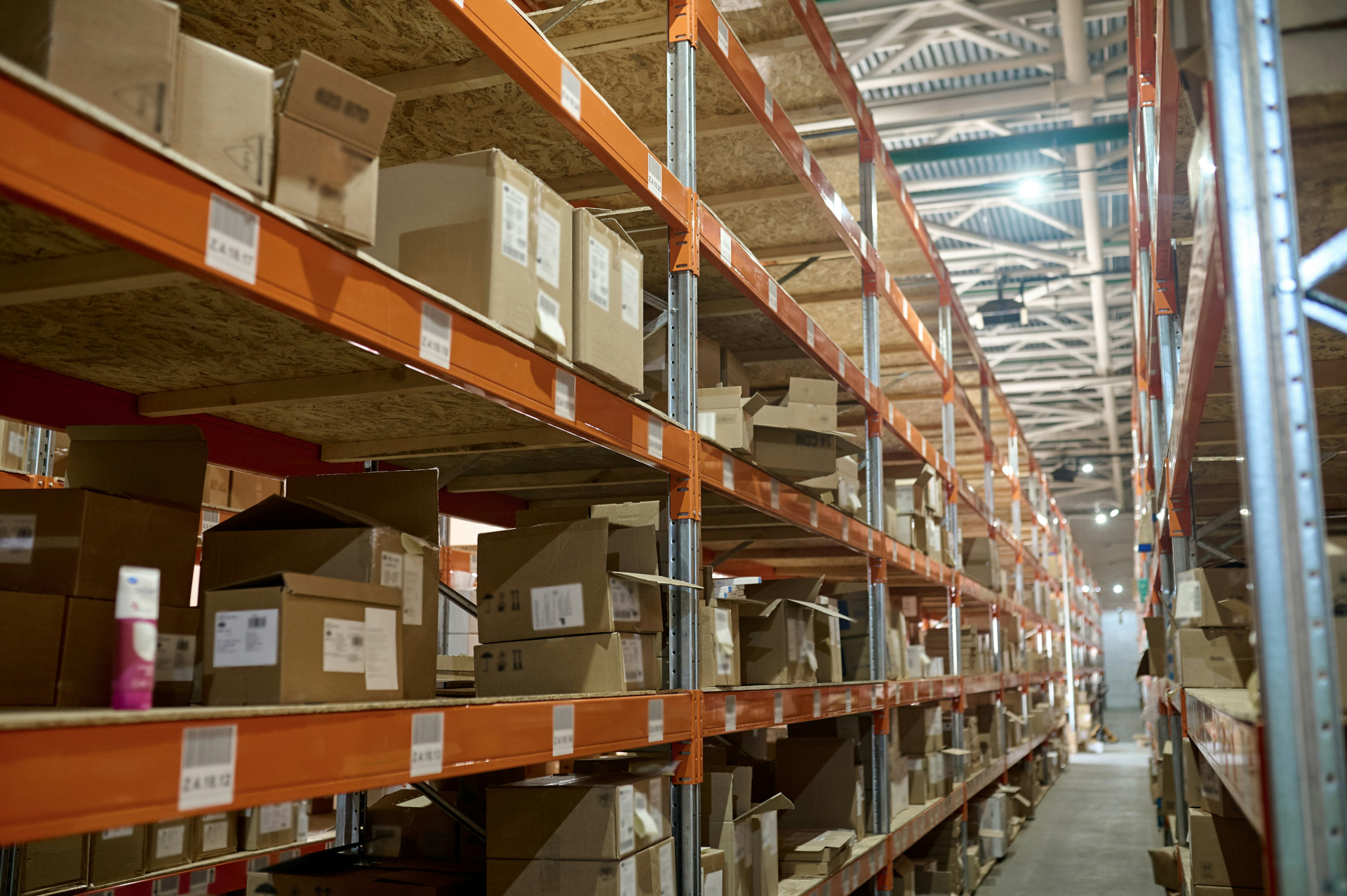
Make the Most of Your Height Safely: Efficient Use of Storage Space Without Compromise
When warehouse space starts to feel tight, it’s natural to look upwards. The vertical dimension often hides untapped potential, but using it effectively and safely requires careful planning. With the right design, equipment, and safety culture, you can increase capacity without compromising on workplace safety. Here’s a guide to making the most of your height – from planning and shelving systems to safety, ergonomics, and maintenance.
Start with Thorough Planning
Before you start building upwards, understand your space and its limitations. How high is the ceiling? What types of goods are stored, and how frequently are they accessed? A detailed analysis of your current layout can reveal wasted space and highlight where vertical expansion makes sense.
Create a clear plan that includes zones, aisles, and access routes. Remember that taller racking systems require greater stability and may affect lighting, ventilation, and fire safety. In the UK, you may need to consult a warehouse design specialist and ensure compliance with Health and Safety Executive (HSE) regulations, including those related to working at height and fire prevention.
Choose the Right Racking System
There are many types of racking systems, and the best choice depends on what you store and how you operate.
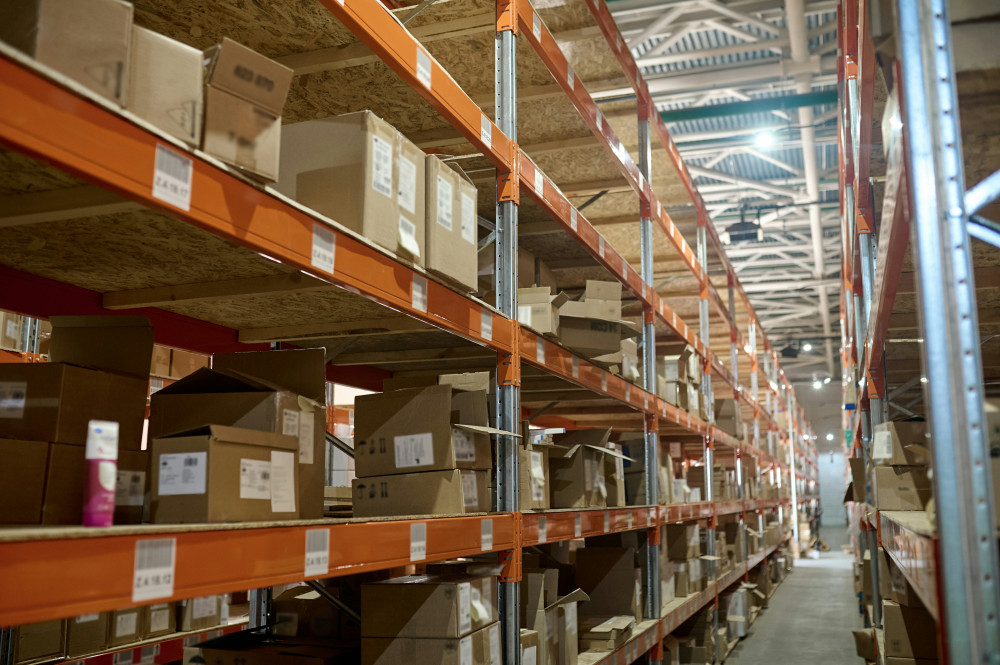
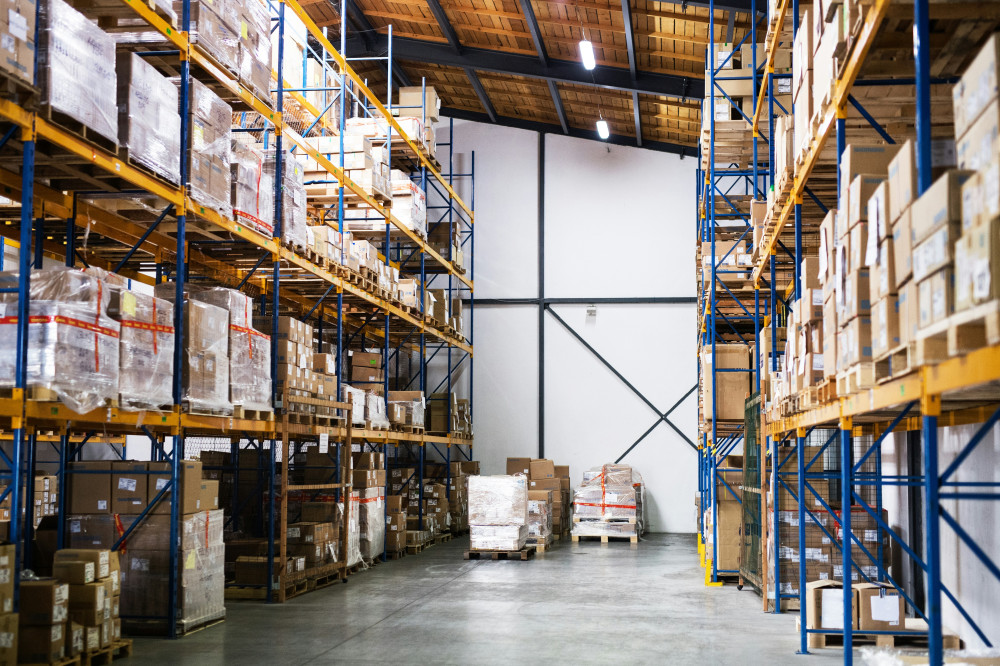
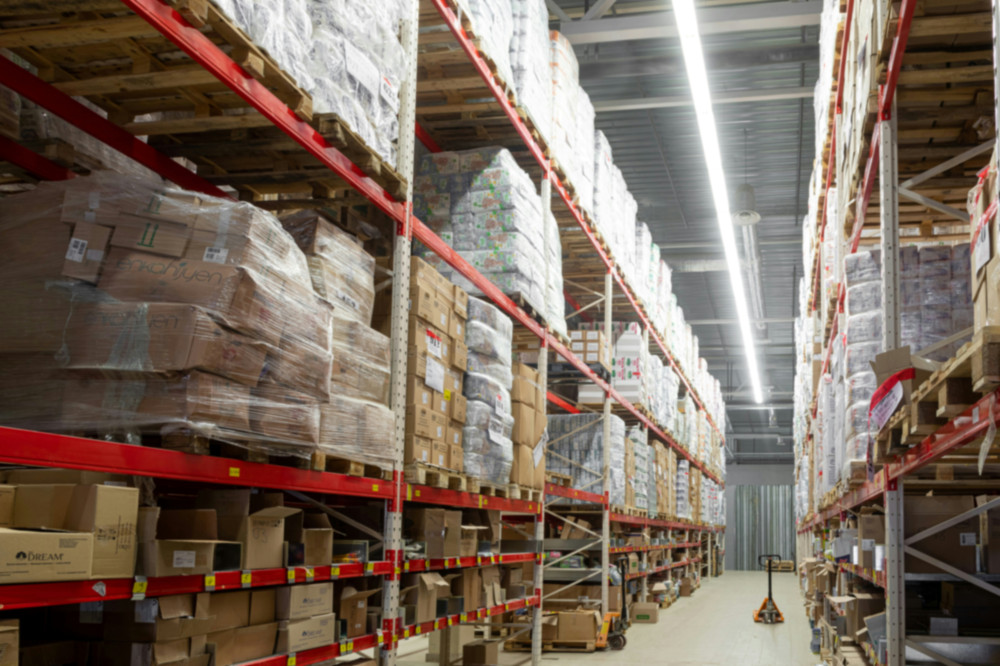
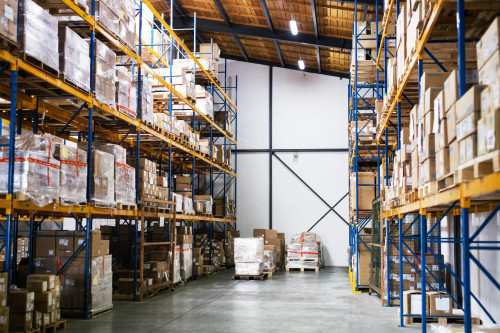
- Pallet racking is ideal for heavy goods and can be built in multiple levels. It offers flexibility but requires forklift access and sufficient aisle space.
- Cantilever racking suits long items such as pipes, timber, or metal profiles. It makes excellent use of height but must be securely anchored.
- Small parts shelving and automated storage systems are perfect for smaller items and can be combined with vertical lift modules or carousel systems that use height efficiently without the need for ladders or lifts.
Many modern warehouses combine manual and automated systems to achieve both capacity and efficiency. Consider how your mix of products and picking frequency can guide your choice.
Safety First – Always
Working at height increases the risk of accidents, so safety must be built into every stage of your plan. Ensure all racking is properly installed, anchored, and rated for the loads it will carry. Follow the manufacturer’s specifications and the Storage Equipment Manufacturers’ Association (SEMA) guidelines.
Always use approved equipment for work at height – whether it’s mobile elevating work platforms (MEWPs), ladders, or personal protective equipment (PPE). Avoid makeshift solutions such as standing on pallets or unstable platforms.
Train staff in the correct use of equipment and establish regular inspection routines. In the UK, annual racking inspections by a qualified person are strongly recommended and often required under HSE guidance.
Efficiency Through Organisation and Technology
Maximising height isn’t just about building upwards – it’s about maintaining control and visibility. A tall warehouse can quickly become disorganised without a clear system.
A warehouse management system (WMS) can help track inventory locations and optimise storage. It can also suggest which items should be stored at accessible levels and which can be placed higher up. Automated solutions such as vertical lift modules or crane-based systems can further improve efficiency and reduce manual handling at height.
Læs også:


Don’t Forget Ergonomics
Even when using vertical space, work must remain ergonomically sound. Avoid situations where staff have to reach too far, lift heavy items above shoulder height, or work in awkward positions.
Use lifting aids such as adjustable platforms, scissor lifts, or telescopic arms to reduce strain. This not only prevents injuries but also improves productivity and morale.
Maintenance and Continuous Evaluation
A safe and efficient high-bay warehouse requires ongoing attention. Regularly check that racking is undamaged and that loads do not exceed the rated capacity. Keep aisles clear and ensure that all staff know how to report damage or hazards.
Schedule routine inspections and housekeeping, and review your layout periodically. As your business grows or product lines change, your storage system may need to adapt.
Use Your Height – But Use It Wisely
Making the most of your warehouse height can significantly increase capacity and improve workflow, but it demands planning, investment, and a strong focus on safety. When done properly, you can create a storage environment that is efficient, flexible, and safe – without compromising the wellbeing of your team or the smooth running of your operations.
Læs også: