Ready for the Demands of the Future: Focusing on Efficiency and Warehouse Cost Management

Ready for the Demands of the Future: Focusing on Efficiency and Warehouse Cost Management
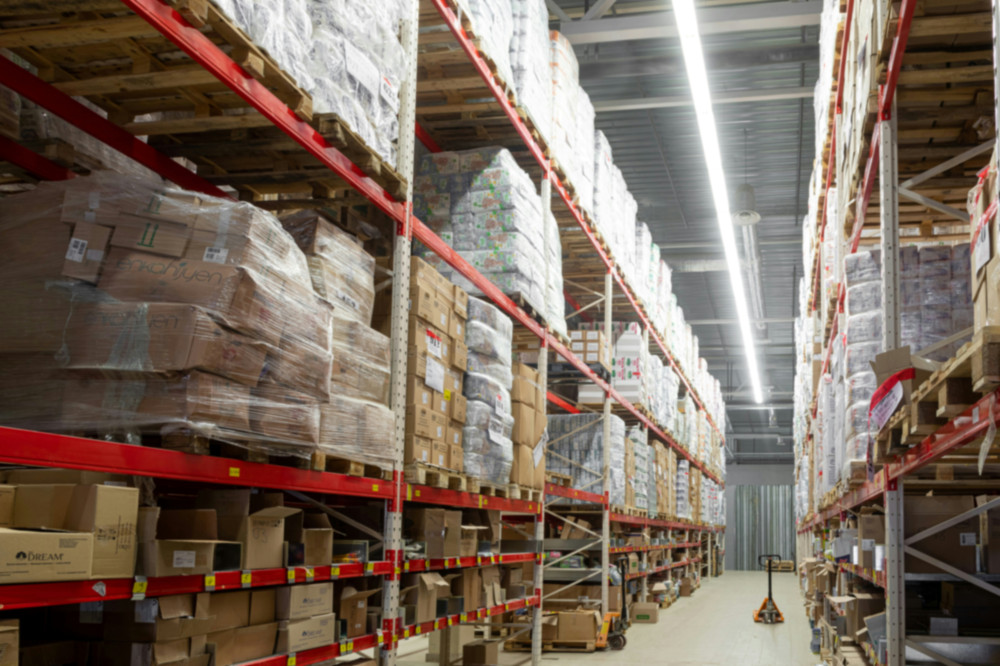
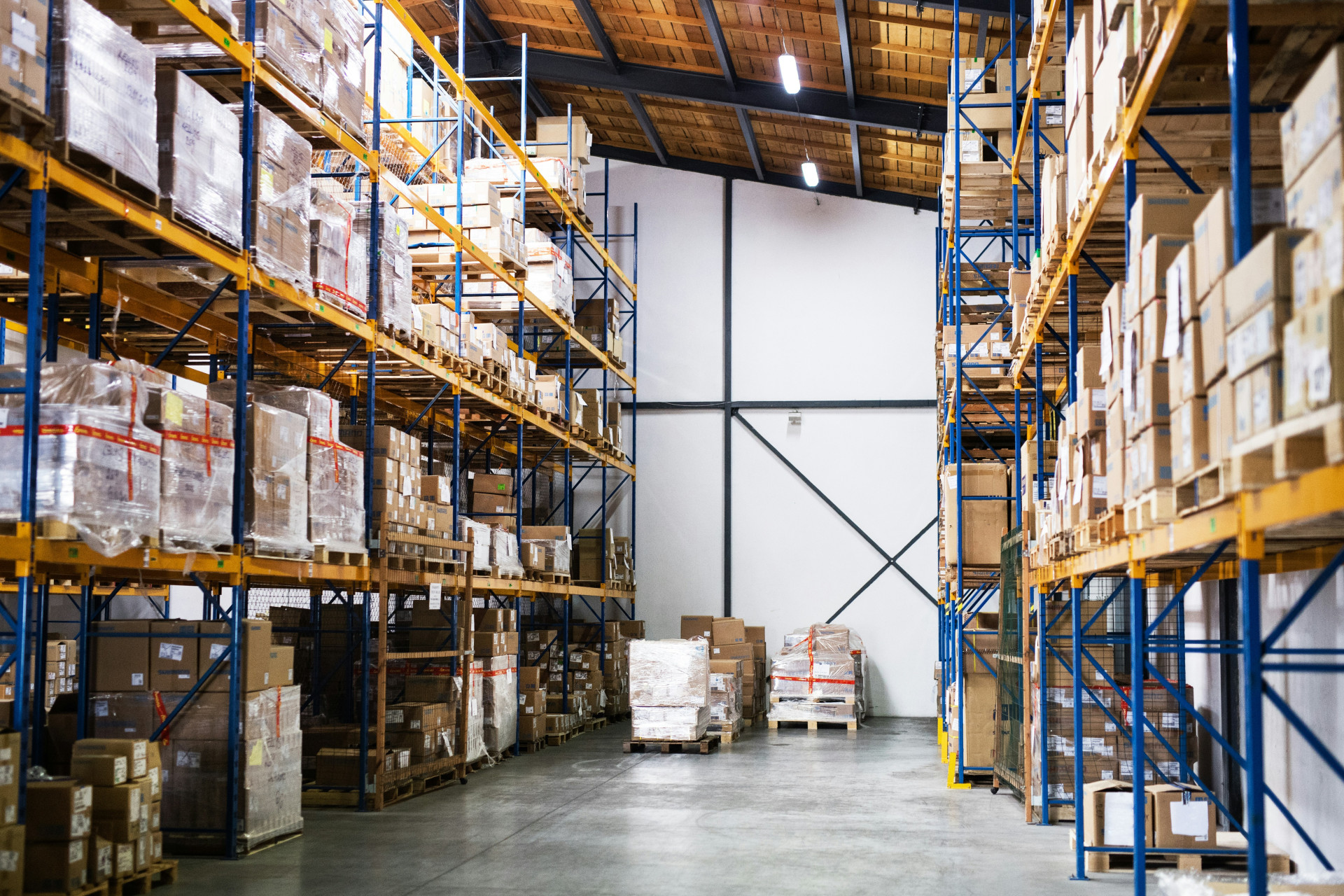
In a business landscape shaped by global competition, rising energy costs, and growing expectations for rapid delivery, efficient warehouse management has become a decisive factor for success. The warehouse is no longer just a storage facility – it is a strategic hub that determines whether a company can deliver quickly, flexibly, and profitably.
This article explores how UK businesses can optimise warehouse operations, reduce costs, and strengthen their readiness for the challenges of the future.
The Warehouse as a Strategic Asset
Traditionally, many companies have viewed the warehouse as a necessary expense – a place where capital is tied up and efficiency is measured by how little space and labour are used. Today, that view is changing. A well-managed warehouse can create value through faster delivery, fewer errors, and higher customer satisfaction.
Businesses that integrate warehouse management into their overall strategy can gain significant advantages. It’s not just about saving money; it’s about creating a seamless flow where goods, data, and decisions move efficiently across the entire supply chain.
Data and Digitalisation as Key Drivers
Digitalisation has transformed the way warehouses operate. Modern Warehouse Management Systems (WMS) provide real-time insight into stock levels, picking routes, and capacity utilisation. By combining data from procurement, production, and sales, companies can forecast demand, reduce waste, and avoid both overstocking and stockouts.
Automation and the use of sensors, robotics, and artificial intelligence make it possible to optimise processes that once required extensive manual effort. Algorithms can, for example, calculate the most efficient product placement or predict when items need to be replenished.
However, technology alone is not enough. Employees must understand and actively use data in their daily decision-making. Building a culture where data is seen as a tool for improvement is just as important as the systems themselves.
Managing Costs Without Compromise
Reducing warehouse costs is not simply about cutting back – it’s about using resources more intelligently. Effective cost management starts with understanding where expenses arise: from rent and energy to transport, packaging, and labour.
By analysing processes, hidden savings often emerge. Picking routes can be optimised to reduce walking distances. Packaging can be standardised to lower shipping costs. Supplier collaboration can be adjusted to better match actual demand.
At the same time, flexibility must be maintained. A warehouse that is too tightly optimised may struggle to handle fluctuations in demand. The best results are achieved by balancing efficiency with resilience.
Sustainability as a Competitive Advantage
Sustainability is no longer just a matter of reputation – it’s a business imperative. Warehousing plays a central role in a company’s overall environmental footprint.
By reducing energy consumption, optimising transport, and minimising waste, businesses can both save money and strengthen their green credentials. Many UK companies are now investing in energy-efficient buildings, recyclable packaging, and low-emission logistics.
Customers and partners increasingly expect transparency and proof of sustainable practices. A warehouse that delivers on both efficiency and environmental responsibility will stand out in a competitive market.
Læs også:


The Warehouse of the Future – Smart and Connected
The warehouse of the future will not necessarily be larger, but it will be smarter. It will be connected to the entire value chain, respond quickly to market changes, and use technology to provide visibility and agility.
Companies that invest today in digitalisation, workforce development, and sustainable solutions will be best positioned to meet tomorrow’s demands.
Ultimately, efficiency and warehouse cost management are about more than operational savings – they are about creating a warehouse that not only supports the business but drives it forward.
Læs også: